
Netflix Discloses Generative AI Was Used in Roughly 300 Titles in 2026, Mostly in Post-Production
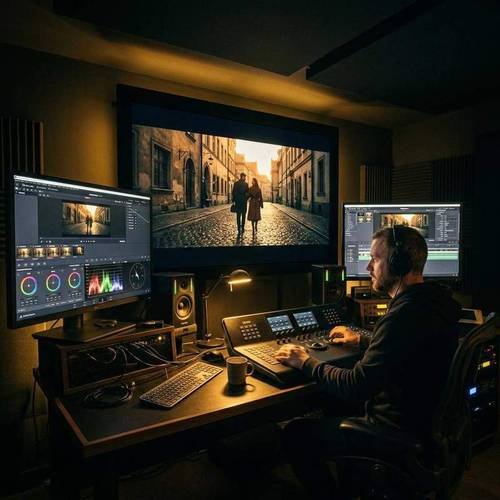
Netflix's Q2 2026 shareholder letter confirms generative-AI workflows were used across roughly 300 titles this year, concentrated heavily in post-production and VFX rather than footage generation.
Netflix has offered one of the clearest public signals yet of how deeply generative AI has embedded itself into mainstream streaming production. In its second-quarter 2026 shareholder letter, dated July 16, the company disclosed that generative-AI workflows have already been used in approximately 300 titles released or in production during 2026 — with the heaviest concentration of that usage sitting in post-production rather than in generating footage outright.
Crucially, Netflix was careful to frame the scope of this usage: the 300-title figure does not mean any of these projects were generated wholesale by an AI model. Instead, the company pointed to specific, targeted VFX applications — enhanced crowd scenes, historical battle sequences, and establishing shots used to build out a location or setting — as the primary use cases. Netflix named several examples of titles where this kind of AI-assisted VFX played a role, including the Indian sports thriller Glory.
The disclosure lands alongside a broader industry pattern: AI-assisted finishing and VFX workflows are moving decisively from experimental pilot programs into standard production pipelines at one of the industry's largest content buyers, a shift with direct implications for every studio and post-production house that supplies work into the streaming ecosystem.
Editorial view: This is, in our assessment, the single most consequential disclosure of the current news cycle for a studio in our position. Netflix is effectively confirming what post-production houses have suspected for two years — that AI-assisted VFX is no longer an experimental side project, but load-bearing infrastructure at one of the industry's largest content commissioners. The fact that an Indian title made their named examples list is notable too: it suggests Indian VFX teams aren't just adopting these tools quietly, they're being showcased as proof points on a global stage.